
Author name: admin

Adult male focusing on task planning using sticky notes on a black wall in a contemporary office setting.
Uncategorized

The Future Requires Agile Leadership

Why community solutions need a different kind of thinking. As industries across the world adapt to automation, efficiency, and new forms of human collaboration, one thing is becoming increasingly clear: the role of human effort is changing. Technology can process information faster than ever before, systems can automate tasks that once required entire departments, and artificial intelligence can analyze data at extraordinary speed. But what technology cannot do well is navigate human complexity. And the sectors where human complexity matters most, including education, community health, and social systems, are exactly where many organizations remain stuck. This realization is what sent me down the rabbit hole of studying agile methodology. What Agility Really Means Agile leadership is often misunderstood. Many people think it simply means cross-functional teams or faster project timelines, but true agility is deeper than that. Agile leadership empowers self-organizing teams to deliver solutions through iteration, learning, and adaptation. It requires leaders to shift from controlling outcomes to creating environments where people can collaborate, experiment, and continuously improve. Instead of command-and-control leadership, agile leaders practice servant leadership. They remove barriers, clarify vision, support teams rather than dictate every step, and create cultures where experimentation and learning are possible. In complex systems, rigid structures rarely produce meaningful change. Adaptability does. Why This Matters for Community Solutions My work focuses on the intersection of community health and education, two systems that are deeply connected. You cannot improve education outcomes without addressing health conditions, and you cannot strengthen community health without strengthening learning environments. Yet most organizations treat these systems as separate, with different departments, different funding streams, and different strategies. This fragmentation slows progress and leaves communities carrying the burden of disconnected solutions. At Putting Education First (PEF), we take a different approach. We operate with agile teams designed to deliver customized solutions for each client and community context. Because we are a human-centered, future-ready organization, our work often moves faster than the systems we collaborate with. One of the most difficult parts of our work is not designing solutions. It is navigating conversations with systems leaders, policymakers, and nonprofit organizations who are still operating inside traditional models. These meetings can be draining, not because people lack good intentions, but because many institutions continue repeating decisions that have already proven ineffective. The same strategies, the same structures, the same results. Change is uncomfortable, and if we are honest, implementing a radical policy, initiative, or program requires a certain kind of leader. Not everyone is willing to be the first, and not everyone is comfortable stepping outside established systems. Why I Couldn’t Ignore the Connections As someone who works at the intersection of community systems, it became impossible for me to ignore the connections that others seemed determined to overlook. Education outcomes connect to health outcomes. Health outcomes connect to economic stability. Economic stability connects to learning environments. The patterns were obvious. Perhaps my neurological makeup simply would not allow me to ignore those relationships, but once you see the connections, it becomes impossible to pretend the system is functioning properly. I could not remain inside broken systems while pretending everything was fine. That realization is what pushed our work toward intersectional solution design. Agile Leadership as a Mindset Shift Agile leadership is not simply a management technique. It is a mindset shift. Agile leaders focus on several key principles: servant leadership that supports teams instead of controlling them, empowerment and trust that allow teams to self-organize and make decisions, adaptability that treats failure as learning rather than punishment, clear vision that connects daily work to meaningful outcomes, and collaboration that breaks down silos across departments and disciplines. In this model, leaders become facilitators of innovation rather than gatekeepers of control. The environments we operate in today are complex and rapidly changing. Traditional bureaucratic systems were designed for stability and predictability, but today’s challenges, including public health crises, education inequities, workforce transitions, and technological disruption, require adaptability. Agile leadership offers faster development of effective solutions, stronger team engagement and accountability, and greater ability to respond to changing conditions. Most importantly, it allows organizations to continuously refine their work instead of waiting years for reforms that often arrive too late. A Tribal Approach to Transformation At PEF, our approach to agility goes beyond standard project management frameworks. We often describe it as a tribal approach to transformation. Communities function through relationships, trust, and shared purpose, and solutions must emerge from collaboration across educators, health professionals, policymakers, and community members. True transformation requires collective intelligence. It requires people who are willing to listen, adapt, and build together. Many leaders today feel frustrated. They see the same problems repeating year after year: the same meetings, the same reports, the same strategies, and the same disappointing outcomes. If the same decisions keep producing the same results, the issue is not effort. It is structure. Organizations often need a fresh analysis of how their systems operate. They need teams that can move quickly, collaborate across boundaries, and design solutions that reflect real human needs. A Different Conversation If your organization feels stuck, if you are frustrated by the same results being produced by the same decisions, it may be time for a different conversation. Putting Education First works with organizations to conduct system analyses and design agile approaches to community transformation. Our work focuses on education, health, and the intersection of both, because meaningful change rarely happens inside silos. It happens where systems connect. If you are ready to explore a different way forward, schedule a call with our team and learn more about our agility approach. It is more than cross-functionality. It is a collaborative, human-centered path toward transformation. Do you want to learn more? Find us on Substack
Student Well Being, Teaching and Learning

Neuroaccessibility Is Not a Trend. It Is the Future

Why the future of learning depends on designing for the full range of human development During my years as a classroom teacher, serving both general education and special education students at the elementary level, parent-teacher conferences often turned into something much deeper. They became free coaching sessions for families trying to understand their children, support their learning, and make sense of behaviors that schools often reduced to labels. I typically gave parents my phone number and shared after-school hours when they could reach me. At the time, that kind of accessibility felt like part of the work. Families did not only want a report on grades or behavior. They wanted guidance, partnership, and someone who could help them think through what was happening with their child. As I learned practical parenting strategies, long before anyone was calling them parenting hacks, I shared them with the families I served. I also began to integrate my interest in natural health into my teaching practice. This was before the internet became the first place every parent turned for answers. Parents asked teachers for advice, and they often trusted the educators who knew their children well enough to offer grounded observations. When I worked with students showing attention difficulties, impulsivity, or intense preoccupation with video games, I often encouraged families to begin with the basics. I asked what their children were consuming, how much water they were drinking, how much sleep they were getting, and what their evenings looked like at home. I encouraged families to reduce overstimulation where possible, limit excessive television and screen time, and create more structure in the evening. I shared resources, including information about dye-free and additive-conscious approaches such as the Feingold Diet, because some research suggests that artificial food colors may worsen behavior in a subset of children, even though they are not considered a primary cause of ADHD. I also encouraged whole foods and hydration as a starting point, because I believed then, and still believe now, that the body and brain do not function separately. As I used to say to my students, and as many of them would joyfully repeat, “A hydrated brain is a learning brain.” That line has stayed with me because it captured something simple and true. Children learn better when the foundational conditions for learning are being supported. Hydration, nutrition, rest, movement, and regulation may not solve every challenge, but they matter more than many systems are willing to admit. There were also parents who asked me one of the hardest questions an educator can be asked: should they medicate their child or not? That was never a decision I made for families, and it was never advice I believed I should give. Decisions about ADHD treatment belong with parents, the child when appropriate, and licensed medical professionals. What I did offer was perspective, resources, and a reminder that families had options to explore as they pursued an informed decision. I encouraged them to observe carefully, talk to their children about how they felt, try supportive lifestyle changes where appropriate, and speak with their pediatrician from a place of knowledge rather than fear. That was my lane. Not diagnosis. Not prescribing. Not anti-medication rhetoric. Support for thoughtful, informed, individualized decision-making. Over the years, I have also had conversations with adults my age who carried anger about how these decisions were handled in their own childhoods. Some shared that they had been medicated without a full explanation, or that they were told they were taking vitamins rather than being honestly included in the conversation about their own bodies and minds. Some eventually stopped medication on their own once they understood what had been happening, and some later turned to other forms of self-medication in ways that were not healthy. I share those experiences not to generalize, but to make one point clear: every case is personal, and the long-term emotional experience of a child matters too. That is why this conversation must be bigger than diagnosis and bigger than compliance. Throughout my career, I have continued to learn that neurodivergence is not a childhood issue alone. Neurodivergent children grow up to become adults, employees, founders, leaders, spouses, and parents. Yet too many of the spaces we design, from classrooms to workplaces to community systems, still assume one narrow way of functioning, processing, focusing, regulating, and communicating. Putting Education First exists to help change that. We specialize in making mind-body integration, sensory-supportive learning environments, and neurosensitive lifestyle supports understandable and actionable for educators, school founders, and families. We offer customized learning series and health coaching to support individuals and groups seeking more responsive and sustainable ways to learn, lead, and live. The mission of our work is to advance the intersection of education and health. Too often those fields are treated as separate, when in reality they are deeply intertwined. A child’s ability to focus, regulate, participate, and learn is shaped by far more than curriculum. It is shaped by nervous system state, environment, sleep, nutrition, sensory load, emotional safety, and whether the adults around them understand how to respond with skill rather than shame. Research continues to show that screen exposure can affect children’s sleep, attention, and behavior, even if the size of those effects varies and the picture is complex. It is time to design spaces and systems that are more supportive, more inclusive, and more honest about what human beings actually need in order to thrive. Neuroaccessibility is not a niche issue. It is not a trend. It is a necessary design principle for the future we are already living in. If we are serious about serving today’s society, then we must stop treating neurodivergent needs as exceptions and start building environments that reflect the full range of how people think, feel, process, and learn. That is not just good education. That is good design. That is good leadership. And that is part of what it truly means to put education first.

Teaching and Learning

Ancient Practices, Future Clues

Oral Tradition, Storytelling, and the Future of Education When people talk about the future of education, the conversation almost always begins with technology. Artificial intelligence, adaptive learning platforms, virtual classrooms, and data-driven instruction tend to dominate the discussion. These innovations are often presented as the solutions that will shape the next era of learning. Yet the more I study human development and cultural history, the more I arrive at an unexpected conclusion. The future of education may depend, in part, on remembering some of our oldest practices. This is not because the past was simpler or because earlier societies lacked innovation. Rather, many civilizations understood something we are only beginning to rediscover: technological progress can evolve alongside a deep commitment to human connection and shared meaning. Storytelling Was Humanity’s First School Long before textbooks, screens, or even written language existed, human beings learned through stories. These stories were not merely forms of entertainment. They carried practical knowledge, moral guidance, environmental awareness, social expectations, and cultural identity. Through storytelling, communities passed down the wisdom necessary for survival and cooperation. Knowledge lived within people, and voice, gesture, rhythm, and song became the earliest educational tools. Organizations such as the National Museum of the American Indian describe oral traditions as living cultural reservoirs that transmit social teachings, environmental knowledge, and collective identity across generations. In many societies, storytelling functioned as the primary curriculum through which children learned what it meant to live responsibly within their communities. Every Civilization Built Systems to Teach the Next Generation Across the world, civilizations developed their own systems to preserve knowledge and guide future generations. In Chinese tradition, the Analects preserved teachings on ethics, leadership, governance, and personal conduct. These writings shaped not only intellectual thought but also social responsibility and civic life. In parts of South America, codices and quipu served as systems for recording historical memory, social organization, and administrative practices. Throughout many African cultures, proverbs and griot narratives preserved genealogy, community history, and moral instruction. The griot was not simply a storyteller but also a historian, philosopher, and guardian of cultural memory. Although the methods differed across cultures, the intention remained remarkably consistent. Societies created ways to preserve their humanity while preparing the next generation to carry that responsibility forward. These systems ensured that knowledge was not merely transferred as information. It was contextualized, practiced, and lived within the culture. Stories carried memory. Memory shaped identity. Identity guided responsibility. And responsibility sustained civilization. Ancient Societies Had Technology Too It is a common misconception that ancient societies were technologically primitive. In reality, many civilizations developed sophisticated technologies suited to their environments and needs. They designed advanced navigation systems, complex agricultural practices, monumental architecture, astronomical mapping techniques, and structured governance models. Technology was always evolving. However, these advancements developed alongside a deliberate effort to cultivate character, responsibility, and community awareness. Education did not separate knowledge from personal development. Learning was relational, experiential, and multisensory. Children learned by observing adults, participating in community activities, and listening to stories that explained their place within the larger social and natural world. Knowledge was inseparable from responsibility. What Happens When Societies Ignore History When societies fail to learn from history, they often repeat earlier mistakes in new forms. Today we face a paradox that is difficult to ignore. We possess more information than any civilization in history has ever had access to. Yet at the same time, many communities report increasing levels of loneliness, social fragmentation, distrust, declining empathy, and cultural disconnection. Modern systems have become highly effective at supporting individual advancement. However, far fewer structures exist to nurture a shared sense of community and belonging. In Western society particularly, rapid technological development has reshaped human interaction faster than our social structures have adapted. Many relationships now occur through digital platforms rather than through shared physical experiences and traditions. Communities are frequently formed artificially rather than emerging organically through shared practices, values, and responsibilities. As a result, people may appear more connected than ever before while still experiencing profound isolation. Information Without Meaning Modern education has become extremely efficient at distributing information. However, information alone does not create social cohesion or a sense of belonging. Storytelling traditions accomplished something different. They connected knowledge to narrative, narrative to community, and community to shared responsibility. Through stories, individuals learned where they fit within the larger social structure. Storytelling helped cultivate empathy, moral reasoning, historical awareness, environmental stewardship, and relational intelligence. These outcomes were not accidental byproducts of storytelling traditions. They were central to the purpose of those traditions. The Futurist Paradox As artificial intelligence and digital technologies accelerate access to information, the importance of human meaning-making becomes even more apparent. Machines are increasingly capable of generating data, summarizing research, and simulating conversation. However, technology cannot transmit intergenerational identity, replace cultural memory, or create genuine communal belonging. These elements still require human relationships and shared experiences. This reality leads to an unexpected prediction about the future. Societies that thrive in the coming decades will likely be those that successfully reintegrate narrative, oral tradition, and communal learning into modern institutions. This shift will not be about nostalgia or romanticizing the past. Instead, it will reflect a recognition that technological progress must be balanced with systems that cultivate human connection. The Future of Education May Look Surprisingly Ancient Future learning environments will likely continue to incorporate advanced technologies. At the same time, they may begin to rebalance the role of human interaction within the learning process. Technology can deliver information efficiently, but communities must provide meaning. It is possible to imagine schools that incorporate storytelling circles, intergenerational dialogue, local cultural narratives, community wisdom archives, and collaborative problem-solving grounded in shared history. Within such environments, students would not simply memorize information. They would develop a clearer understanding of who they are, where they belong, and why their choices matter. Research increasingly shows that a strong sense of belonging is one of the most important foundations for civic responsibility, empathy, and long-term social stability. Ancient educational systems

Parent Choice

Choosing the Right Learning Program for Your Child: Influence, Environment, and the Freedom to Choose

Choosing the right educational program for a child is no longer a simple decision between “good” and “better” schools. In a rapidly changing society, families are navigating a complex learning landscape shaped by technology, culture, economics, and shifting workforce demands. At the heart of this decision is a foundational truth: Parents are the first and most influential teachers of their children. While some scholarly perspectives elevate institutions as the primary drivers of learning, decades of behavioral science—and centuries of wisdom—tell a different story. The Power of Example: Why Modeling Matters More Than Instruction The phrase “Do as I say, not as I do” has endured because it reflects a deep reality of human learning. The expression was coined by John Selden in Table-Talk (c. 1654), referencing the disconnect between what preachers taught and how they behaved. This idea traces even further back to Bible, specifically Matthew 23:1–3, where Jesus warns followers that the Pharisees and scribes taught the law but did not live by it. The lesson is timeless:children internalize what they observe far more deeply than what they are told. This principle aligns directly with behavioral science. The work of Edward Thorndike, John B. Watson, B.F. Skinner, and Albert Bandura demonstrates that learning is shaped through: Observation and imitation Reinforcement Social and environmental context Bandura’s social learning theory makes this especially clear: behavior, attitudes, and norms are contagious. Children absorb the “baseline” of the adults and peers around them. This is why the metaphor “a rotten apple spoils the whole bunch” persists, not as a judgment of individuals, but as a reminder that systems and environments shape outcomes. Why This Understanding Changes How We Choose Schools If behavior and learning are deeply influenced by environment, then selecting a school or program is about much more than curriculum or credentials. It requires examining: Adult behavior and modeling Peer culture Values in action, not just on paper How conflict, curiosity, and care are handled daily Recognizing your own influence as a parent also helps you see that: Your learning strengths and challenges may show up in your child Your attitudes toward stress, authority, and curiosity are mirrored The learning environment must complement—not compete with—your role Step One: Listen First, Decide Second Before researching programs, begin with open, non-confrontational conversations with your child. Explore: What they’ve enjoyed most about school What motivated them to show up each day What felt overwhelming or discouraging Where they felt supported—or unseen When discussing difficult experiences or potential trauma, keep conversations emotionally safe and non-judgmental. The goal is not to diagnose or fix, but to listen and understand. These insights become the foundation of your criteria for future learning environments. Step Two: Understand How Your Child Learns Next, review academic reports together when appropriate. Look beyond grades to identify: Learning preferences and rhythms Environmental needs (movement, quiet, structure, flexibility) Supports that helped—or were missing This step shifts the focus from “What’s wrong?” to “What conditions help my child thrive?” Step Three: Research Beyond Traditional Pathways With clarity in hand, begin exploring: Online searches and local social groups Libraries, community centers, and Eventbrite Conversations with other families State learning guidelines Alternative education communities Many families also choose to work with specialists to design parent-led or hybrid transition plans that blend multiple models. Step Four: Tour, Observe, and Trust What You See When visiting programs—especially microschools or newer learning communities—observe closely: Daily programming and structure Safety and cleanliness Communication practices School culture and adult behavior Staff stability and turnover Many microschools are less than 10 years old and may not yet have the infrastructure to meet every need. If a program aligns philosophically but lacks certain supports, a hybrid approach can allow families to supplement and create a more complete learning experience. A guiding design principle worth repeating: If a system meets the needs of the most vulnerable learners, it will meet the needs of all. The Growing Landscape of Learning Options Families today can choose from a wide and expanding range of models, including: Unschooling World schooling Co-ops Virtual schools Microschools Full-time or part-time programs Hybrid learning Outdoor and nature-based education Project-based learning Self-directed learning Neurodivergent-affirming schools Charter schools There is no single right path—only the path that fits your child right now. Parent Choice Is Not a Political Issue—It’s a Practical One Parent choice should not be driven by politics, lobbying groups, or funding battles. It is a response to reality. Education as a monopoly no longer meets the needs of a rapidly evolving society. Despite an unprecedented influx of ESSER (COVID relief) funds, the United States did not see meaningful gains in global rankings for math or science. More money into the same structures did not produce different outcomes. This does not mean government schools have failed—or should be abandoned. They need support.And alternative learning environments are part of that support, not a threat to it. Choice introduces: Flexibility Innovation Responsiveness to diverse learners Shared responsibility across communities When families can choose and when systems can collaborate rather than compete education becomes more resilient. Choice, Flexibility, and the Child’s Voice Your family’s learning model may change year to year—and that is not instability. That is responsiveness. What matters most is: Affirming your child’s voice Listening deeply to their lived experience Creating environments aligned with who they are becoming Final Thought Education is not something that happens to children, it happens with them, shaped by relationships, environments, and everyday behaviors. When families are empowered with choice, knowledge, and trust in their role, children gain something far more valuable than a program: a learning life that fits. If you’d like support navigating options or designing a learning model aligned with your child’s needs, we’re here to help.

Parent Choice

Building Responsive, Future-Ready Learning Environments Through Alternative Education and Parent Choice

In a time when families are seeking more holistic, relevant, and child-centered ways for their children to learn and thrive, alternative learning models are emerging as vital pathways toward responsive, future-ready learning environments. These models challenge conventional systems by honoring each child’s unique strengths, needs, and rhythms—while also restoring something long missing from many modern school settings: authentic community connection. A Personal Journey Rooted in Trust and Community Our family has been homeschooling for over 16 years, long before it became a more visible or widely accepted choice. What started as a desire to meet our children’s unique learning styles quickly became a deeper commitment to creating responsive, connected, and joyful learning experiences not just for our family, but for others, too. Over the years, we’ve supported countless families many of whom felt isolated or uncertain by building community spaces, learning pods, and co-ops that honor relationship, trust, and creativity. Back then, choosing something outside the norm meant facing skepticism. But now, more families are realizing that learning doesn’t need to be confined to rigid systems to be effective—or transformative. Restoring Community Through Small-Scale Learning One of the most powerful shifts in education today is the return to the “one-room schoolhouse” ethos. Unlike large, impersonal school systems, these smaller learning environments foster: Genuine relationships across ages A shared sense of responsibility Natural collaboration and mentorship Daily experiences of community care When learning happens in human-scale environments—be it a home-based pod, a church basement co-op, or a community learning hub—students aren’t just receiving information; they’re growing up in ecosystems of support and belonging. In contrast, larger schools often struggle to foster true connection. Community isn’t always organic—it’s scheduled, performative, or diluted by the size of the institution. But in smaller, intentionally designed learning communities, connection becomes a daily, lived experience. The Benefits of Alternative Learning Models From Montessori and project-based microschools to unschooling and hybrid models, alternative education allows children to: Learn at their own pace Engage deeply with topics they care about Build confidence through autonomy Strengthen relationships with family and peers These models are not fringe—they are future-ready, preparing learners to adapt, collaborate, and lead in a world that values creativity, emotional intelligence, and resilience. Why Parent Choice Matters Empowering families to choose—or build—the learning environments that work for them is essential. Parent choice isn’t about competition between systems; it’s about recognizing that education is not one-size-fits-all. When families have choice: Children thrive emotionally, socially, and academically Learning reflects family values and cultural identities Communities innovate around what works, not what’s imposed We’ve seen firsthand how transformational it is when parents move from feeling stuck to feeling empowered…whether they choose homeschooling, a hybrid program, or a cooperative model rooted in community. Addressing Access and Equity As we grow these options, we must stay vigilant about inclusion. Many alternative models began as private or resource-dependent, making them inaccessible for some families. To ensure equity: Public funding should follow the child, not the system Community-based programs must reflect and serve all communities and socioeconomic realities Support systems (like mentoring, legal guidance, and resource hubs) must be built with marginalized families at the center A Call to Reconnect Learning with Life As more families turn toward alternative education, the vision is clear: responsive, future-ready learning environments that honor individual needs and collective care. Let’s not simply tweak existing systems—let’s center our communities, trust families, and build education from the ground up. The revival of the one-room schoolhouse spirit is not nostalgia…it’s a blueprint for connection, collaboration, and wholeness. Interested in starting your own learning community or exploring homeschool support? Let’s build something together—rooted in trust, connection, and the belief that every child deserves to thrive.

A diverse group of colleagues joyfully embracing in an office setting, showcasing team spirit.
Equity & Inclusion, Student Well Being, Teaching and Learning

5 Ways to Build More Inclusive and Equitable Classrooms

5 Ways to Build More Inclusive and Equitable Classrooms Creating an inclusive and equitable classroom is essential for student success. When learners feel safe, respected and understood, they are more likely to participate actively, take risks, collaborate with their peers and grow academically. Inclusion is not simply a teaching strategy. It is a philosophy that transforms the entire school community. “Inclusion is not about placing students in a classroom. It is about ensuring every student feels they belong there.” Why Inclusion Matters More Than Ever Today’s classrooms reflect a wide range of cultural backgrounds, learning styles, abilities and emotional needs. Inclusive practices make learning accessible for everyone while strengthening the overall classroom culture. An inclusive environment promotes collaboration, empathy, creativity and self confidence, all of which are essential skills for life. 5 Ways to Create Inclusive and Equitable Classrooms 1. Represent Every Student in the Classroom Environment A simple but powerful starting point is making sure students can see themselves reflected in the classroom. This includes diverse books, visual materials, languages, posters and examples used in lessons. When students recognize their identity in the space, they feel valued and welcomed. “Students learn best in spaces where they can see who they are and who they can become.” 2. Use Multiple Ways to Teach and Assess Learning Not every student learns the same way. Inclusive classrooms use a variety of teaching methods such as visuals, discussions, hands on activities, movement and digital resources. Offering multiple ways to demonstrate understanding helps remove barriers and ensures that all students can succeed. 3. Encourage Collaboration and Peer Support Students learn a lot from each other. Group work, peer tutoring and shared problem solving build confidence, strengthen social skills and promote empathy. When collaboration becomes part of everyday learning, students feel connected and supported. “Inclusion grows naturally when students lift each other up.” 4. Learn About Students’ Cultural and Personal Backgrounds Taking the time to understand students’ cultures, languages, interests and experiences helps build trust and emotional safety. This knowledge supports culturally responsive teaching and strengthens the relationship between educators, students and families. 5. Make Classroom Routines Clear, Predictable and Supportive Predictability reduces stress and increases confidence. Inclusive classrooms have clear expectations, visual schedules, consistent routines and supportive transitions. When students know what to expect, they feel more secure and more able to engage in learning. “Consistency creates safety, and safety creates room for learning.” Conclusion Inclusive and equitable classrooms do not happen by accident. They are built intentionally through daily practices that value diversity, support student needs and create a climate of belonging. When classrooms embrace inclusion, everyone benefits. Students become more confident, more engaged and more prepared for the world around them. These five strategies are powerful starting points, but implementing them consistently requires expertise, planning and long term commitment. Let a Professional Support Your School If your school community wants to strengthen inclusion and equity, you do not have to do it alone. A professional can help you design effective frameworks, train educators, create inclusive practices and build long term solutions tailored to your unique needs. Contact us to explore how we can help you create an inclusive and equitable learning environment. Contact us

Students attending a lecture in a university classroom with an engaged professor.
Equity & Inclusion

Why Educational Equity Matters More Than Ever

Why Educational Equity Matters More Than Ever Educational equity has become one of the most important conversations in modern education. As communities grow more diverse and as learning environments evolve, the need to ensure that every student receives meaningful, personalized support has never been greater. “Educational equity is not a luxury. It is the foundation of a fair and thriving society.” This article explores why equity matters, how it impacts schools and communities, and what it takes to make equity a daily reality. Understanding Educational Equity Educational equity means providing each student with the tools, opportunities and support they need to succeed. It does not assume that every child starts at the same point or learns in the same way. Rather, it recognizes that learners have different challenges, backgrounds and strengths. Equity vs Equality These terms are often confused, yet they represent very different approaches. Equality gives everyone the same resources. Equity gives everyone the resources they need. “Fair does not mean equal. Fair means giving each child what is necessary for them to grow.” Equity adapts education to the learner, not the other way around. Why Educational Equity Is Critically Important Today Socioeconomic Inequalities Affect Learning Many children face daily barriers before even entering the classroom. These may include food insecurity, unstable housing, limited access to health care or lack of academic support at home. Such challenges have a direct impact on concentration, attendance and performance. Schools that apply an equity centered approach are able to intervene more effectively and support the whole child. The Digital Divide Has Become Impossible to Ignore Technology is now central to modern learning. Yet, not all students have the same access to devices or reliable internet. The shift toward digital education exposed deep inequities across many communities. A student without access to digital tools is placed at a severe disadvantage, even if they are motivated and capable. Classrooms Are More Diverse Than Ever Cultural diversity, linguistic diversity and neurodiversity shape today’s classrooms. Students have unique learning styles, different levels of preparedness and various social emotional needs. “Diversity is the reality. Inclusion is the approach. Equity is the commitment.” In such an environment, a single teaching method is not enough. Equity driven classrooms must offer flexibility, representation and differentiated support. How Educational Equity Transforms Schools and Communities Better Academic Outcomes When students receive tailored support, they become more engaged, confident and consistent in their learning. Equity strengthens long term academic results and reduces dropout rates. Stronger Family and Community Engagement When families feel understood and valued, trust strengthens. Schools that prioritize equity also prioritize communication and collaboration, which leads to higher participation and stronger community involvement. Healthier Learning Environments Equity driven schools promote emotional well being, mental health awareness and trauma informed practices. This creates safe spaces where students feel respected and supported. “Strong communities grow from strong and equitable schools.” Long Term Social Impact Equity does not only shape academic outcomes. It shapes the future workforce, community stability, social mobility and overall well being of society. Strategies That Strengthen Educational Equity Differentiated Instruction Teachers adapt materials, pacing and assessment methods to meet each student’s learning needs. Culturally Responsive Teaching Curriculum, examples and classroom culture reflect and honor the lived experiences of all students. Support Systems for Families Providing guidance, resources and communication in accessible formats helps families engage more effectively in their child’s learning journey. Emotional and Wellness Support Programs that focus on mental health, social emotional learning and trauma informed approaches empower students to thrive academically and personally. Conclusion Educational equity is no longer optional. It is essential for building school environments where every learner can reach their greatest potential. By prioritizing equity, schools create the foundation for academic success, emotional well being and community strength. As we redesign education for the future, equity must remain at the center of every strategy, policy and partnership. If your school, organization or community is seeking to build more equitable and inclusive learning experiences, we can help.Our team specializes in developing tailored education, wellness and community focused solutions designed to meet the needs of diverse learners. 👉 Contact us to begin building equitable pathways for your students and community. Contact us

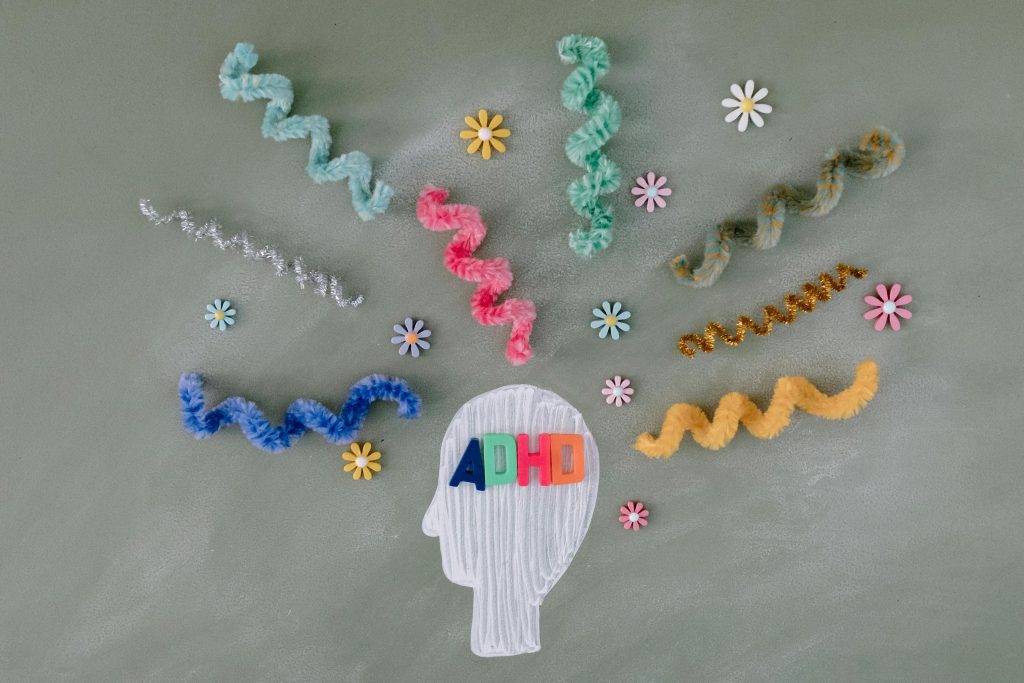
Creative illustration highlighting ADHD awareness with colorful brain imagery.
Student Well Being

Supporting Students Mental Health What Schools Can Actually Do

Supporting Students Mental Health What Schools Can Actually Do Student mental health has become one of the most urgent priorities in education today. Across communities, young people are facing rising levels of stress, anxiety and emotional pressure. Schools play a central role in creating environments where students feel supported, understood and emotionally safe. “A student’s mental state is not a distraction from learning. It is the foundation that makes learning possible.” Why Mental Health Matters in Schools Emotional well being directly affects academic performance, motivation and student engagement. When learners struggle with stress or anxiety, their ability to focus, socialize or complete schoolwork is significantly reduced. Schools can make a powerful difference by creating systems that recognize these challenges early and provide meaningful support. Students spend most of their day in school, which means educators are uniquely positioned to notice emotional changes and offer immediate support. A mentally healthy learning environment benefits both students and educators. Practical Actions Schools Can Take Create Calming and Safe Spaces A quiet corner or wellness room allows students to take a moment to breathe and regulate their emotions. Even small changes such as soft seating or warm lighting can reduce stress and help learners refocus. “Calm minds learn better.” Integrate Social Emotional Learning Teaching skills like emotional regulation, empathy and resilience helps reduce stress and improves classroom climate. Daily check ins or reflection moments can make a significant difference. Train Staff to Recognize Warning Signs Teachers do not need to be mental health professionals to recognize early indicators of distress. When staff are trained to identify subtle signs, schools can intervene earlier and more effectively. Encourage Healthy Daily Habits Sleep, nutrition and physical movement significantly impact emotional well being. Schools can support these habits through structured routines, wellness programs and mindful breaks during the school day. The Power of Community Partnerships Schools do not have to shoulder the responsibility alone. Collaborations with counselors, youth programs and mental health organizations strengthen the support network available to students. “It takes a community to raise a healthy learner.” Conclusion Supporting student mental health is essential for creating positive and effective learning environments. When schools prioritize emotional well being, students become more motivated, more confident and more capable of achieving academic success. Mental health is not separate from learning. It is a core element of a healthy educational system. Contact Us If your school or organization is seeking to strengthen student well being, we can help you implement tailored solutions that support educators, families and learners. Contact us to begin building healthier learning environments. Contact us

Scroll to Top