
Student Well Being

Student Well Being, Teaching and Learning

Neuroaccessibility Is Not a Trend. It Is the Future

Why the future of learning depends on designing for the full range of human development During my years as a classroom teacher, serving both general education and special education students at the elementary level, parent-teacher conferences often turned into something much deeper. They became free coaching sessions for families trying to understand their children, support their learning, and make sense of behaviors that schools often reduced to labels. I typically gave parents my phone number and shared after-school hours when they could reach me. At the time, that kind of accessibility felt like part of the work. Families did not only want a report on grades or behavior. They wanted guidance, partnership, and someone who could help them think through what was happening with their child. As I learned practical parenting strategies, long before anyone was calling them parenting hacks, I shared them with the families I served. I also began to integrate my interest in natural health into my teaching practice. This was before the internet became the first place every parent turned for answers. Parents asked teachers for advice, and they often trusted the educators who knew their children well enough to offer grounded observations. When I worked with students showing attention difficulties, impulsivity, or intense preoccupation with video games, I often encouraged families to begin with the basics. I asked what their children were consuming, how much water they were drinking, how much sleep they were getting, and what their evenings looked like at home. I encouraged families to reduce overstimulation where possible, limit excessive television and screen time, and create more structure in the evening. I shared resources, including information about dye-free and additive-conscious approaches such as the Feingold Diet, because some research suggests that artificial food colors may worsen behavior in a subset of children, even though they are not considered a primary cause of ADHD. I also encouraged whole foods and hydration as a starting point, because I believed then, and still believe now, that the body and brain do not function separately. As I used to say to my students, and as many of them would joyfully repeat, “A hydrated brain is a learning brain.” That line has stayed with me because it captured something simple and true. Children learn better when the foundational conditions for learning are being supported. Hydration, nutrition, rest, movement, and regulation may not solve every challenge, but they matter more than many systems are willing to admit. There were also parents who asked me one of the hardest questions an educator can be asked: should they medicate their child or not? That was never a decision I made for families, and it was never advice I believed I should give. Decisions about ADHD treatment belong with parents, the child when appropriate, and licensed medical professionals. What I did offer was perspective, resources, and a reminder that families had options to explore as they pursued an informed decision. I encouraged them to observe carefully, talk to their children about how they felt, try supportive lifestyle changes where appropriate, and speak with their pediatrician from a place of knowledge rather than fear. That was my lane. Not diagnosis. Not prescribing. Not anti-medication rhetoric. Support for thoughtful, informed, individualized decision-making. Over the years, I have also had conversations with adults my age who carried anger about how these decisions were handled in their own childhoods. Some shared that they had been medicated without a full explanation, or that they were told they were taking vitamins rather than being honestly included in the conversation about their own bodies and minds. Some eventually stopped medication on their own once they understood what had been happening, and some later turned to other forms of self-medication in ways that were not healthy. I share those experiences not to generalize, but to make one point clear: every case is personal, and the long-term emotional experience of a child matters too. That is why this conversation must be bigger than diagnosis and bigger than compliance. Throughout my career, I have continued to learn that neurodivergence is not a childhood issue alone. Neurodivergent children grow up to become adults, employees, founders, leaders, spouses, and parents. Yet too many of the spaces we design, from classrooms to workplaces to community systems, still assume one narrow way of functioning, processing, focusing, regulating, and communicating. Putting Education First exists to help change that. We specialize in making mind-body integration, sensory-supportive learning environments, and neurosensitive lifestyle supports understandable and actionable for educators, school founders, and families. We offer customized learning series and health coaching to support individuals and groups seeking more responsive and sustainable ways to learn, lead, and live. The mission of our work is to advance the intersection of education and health. Too often those fields are treated as separate, when in reality they are deeply intertwined. A child’s ability to focus, regulate, participate, and learn is shaped by far more than curriculum. It is shaped by nervous system state, environment, sleep, nutrition, sensory load, emotional safety, and whether the adults around them understand how to respond with skill rather than shame. Research continues to show that screen exposure can affect children’s sleep, attention, and behavior, even if the size of those effects varies and the picture is complex. It is time to design spaces and systems that are more supportive, more inclusive, and more honest about what human beings actually need in order to thrive. Neuroaccessibility is not a niche issue. It is not a trend. It is a necessary design principle for the future we are already living in. If we are serious about serving today’s society, then we must stop treating neurodivergent needs as exceptions and start building environments that reflect the full range of how people think, feel, process, and learn. That is not just good education. That is good design. That is good leadership. And that is part of what it truly means to put education first.

A diverse group of colleagues joyfully embracing in an office setting, showcasing team spirit.
Equity & Inclusion, Student Well Being, Teaching and Learning

5 Ways to Build More Inclusive and Equitable Classrooms

5 Ways to Build More Inclusive and Equitable Classrooms Creating an inclusive and equitable classroom is essential for student success. When learners feel safe, respected and understood, they are more likely to participate actively, take risks, collaborate with their peers and grow academically. Inclusion is not simply a teaching strategy. It is a philosophy that transforms the entire school community. “Inclusion is not about placing students in a classroom. It is about ensuring every student feels they belong there.” Why Inclusion Matters More Than Ever Today’s classrooms reflect a wide range of cultural backgrounds, learning styles, abilities and emotional needs. Inclusive practices make learning accessible for everyone while strengthening the overall classroom culture. An inclusive environment promotes collaboration, empathy, creativity and self confidence, all of which are essential skills for life. 5 Ways to Create Inclusive and Equitable Classrooms 1. Represent Every Student in the Classroom Environment A simple but powerful starting point is making sure students can see themselves reflected in the classroom. This includes diverse books, visual materials, languages, posters and examples used in lessons. When students recognize their identity in the space, they feel valued and welcomed. “Students learn best in spaces where they can see who they are and who they can become.” 2. Use Multiple Ways to Teach and Assess Learning Not every student learns the same way. Inclusive classrooms use a variety of teaching methods such as visuals, discussions, hands on activities, movement and digital resources. Offering multiple ways to demonstrate understanding helps remove barriers and ensures that all students can succeed. 3. Encourage Collaboration and Peer Support Students learn a lot from each other. Group work, peer tutoring and shared problem solving build confidence, strengthen social skills and promote empathy. When collaboration becomes part of everyday learning, students feel connected and supported. “Inclusion grows naturally when students lift each other up.” 4. Learn About Students’ Cultural and Personal Backgrounds Taking the time to understand students’ cultures, languages, interests and experiences helps build trust and emotional safety. This knowledge supports culturally responsive teaching and strengthens the relationship between educators, students and families. 5. Make Classroom Routines Clear, Predictable and Supportive Predictability reduces stress and increases confidence. Inclusive classrooms have clear expectations, visual schedules, consistent routines and supportive transitions. When students know what to expect, they feel more secure and more able to engage in learning. “Consistency creates safety, and safety creates room for learning.” Conclusion Inclusive and equitable classrooms do not happen by accident. They are built intentionally through daily practices that value diversity, support student needs and create a climate of belonging. When classrooms embrace inclusion, everyone benefits. Students become more confident, more engaged and more prepared for the world around them. These five strategies are powerful starting points, but implementing them consistently requires expertise, planning and long term commitment. Let a Professional Support Your School If your school community wants to strengthen inclusion and equity, you do not have to do it alone. A professional can help you design effective frameworks, train educators, create inclusive practices and build long term solutions tailored to your unique needs. Contact us to explore how we can help you create an inclusive and equitable learning environment. Contact us

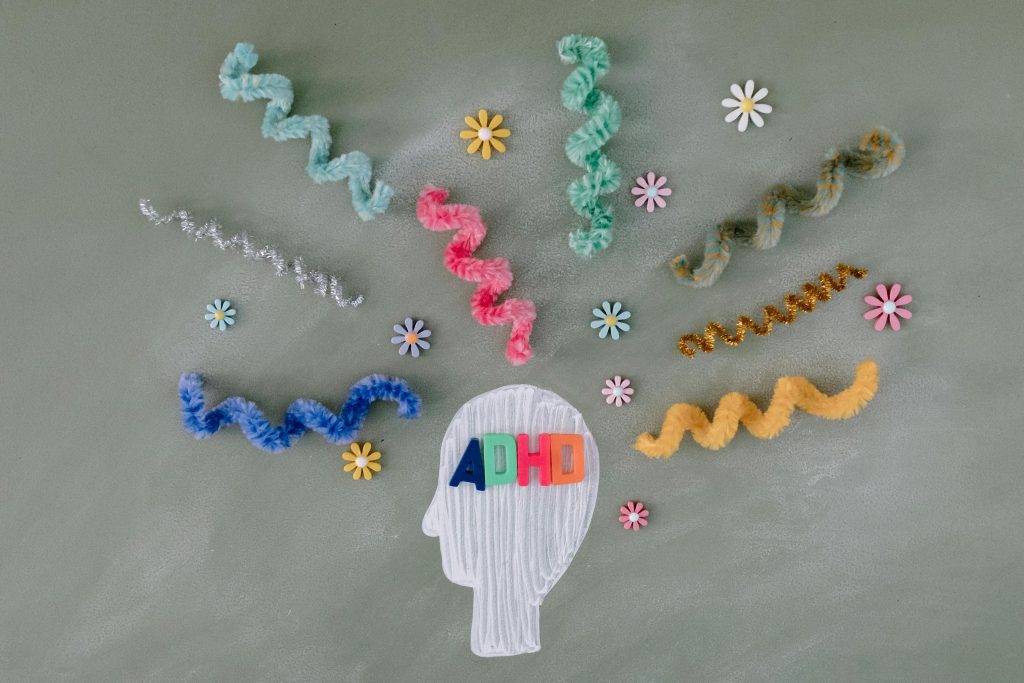
Creative illustration highlighting ADHD awareness with colorful brain imagery.
Student Well Being

Supporting Students Mental Health What Schools Can Actually Do

Supporting Students Mental Health What Schools Can Actually Do Student mental health has become one of the most urgent priorities in education today. Across communities, young people are facing rising levels of stress, anxiety and emotional pressure. Schools play a central role in creating environments where students feel supported, understood and emotionally safe. “A student’s mental state is not a distraction from learning. It is the foundation that makes learning possible.” Why Mental Health Matters in Schools Emotional well being directly affects academic performance, motivation and student engagement. When learners struggle with stress or anxiety, their ability to focus, socialize or complete schoolwork is significantly reduced. Schools can make a powerful difference by creating systems that recognize these challenges early and provide meaningful support. Students spend most of their day in school, which means educators are uniquely positioned to notice emotional changes and offer immediate support. A mentally healthy learning environment benefits both students and educators. Practical Actions Schools Can Take Create Calming and Safe Spaces A quiet corner or wellness room allows students to take a moment to breathe and regulate their emotions. Even small changes such as soft seating or warm lighting can reduce stress and help learners refocus. “Calm minds learn better.” Integrate Social Emotional Learning Teaching skills like emotional regulation, empathy and resilience helps reduce stress and improves classroom climate. Daily check ins or reflection moments can make a significant difference. Train Staff to Recognize Warning Signs Teachers do not need to be mental health professionals to recognize early indicators of distress. When staff are trained to identify subtle signs, schools can intervene earlier and more effectively. Encourage Healthy Daily Habits Sleep, nutrition and physical movement significantly impact emotional well being. Schools can support these habits through structured routines, wellness programs and mindful breaks during the school day. The Power of Community Partnerships Schools do not have to shoulder the responsibility alone. Collaborations with counselors, youth programs and mental health organizations strengthen the support network available to students. “It takes a community to raise a healthy learner.” Conclusion Supporting student mental health is essential for creating positive and effective learning environments. When schools prioritize emotional well being, students become more motivated, more confident and more capable of achieving academic success. Mental health is not separate from learning. It is a core element of a healthy educational system. Contact Us If your school or organization is seeking to strengthen student well being, we can help you implement tailored solutions that support educators, families and learners. Contact us to begin building healthier learning environments. Contact us

Scroll to Top